


Factors to Consider in Choosing the Right Heating Service
Selecting the right heating service is fundamental for maintaining a comfortable and efficient environment at home or in a business setting. The most suitable system not only ensures optimal comfort but is also pivotal in reducing energy expenses and environmental impact. A well-chosen heating service can directly influence utility bills, affect indoor air quality, and play a role in a sustainable lifestyle. This article delves into the key factors to consider when selecting a heating service to make informed and cost-effective decisions. Taking the time to compare your options can lead to long-term savings and greater peace of mind.
Understand How Central Heating Systems Operate
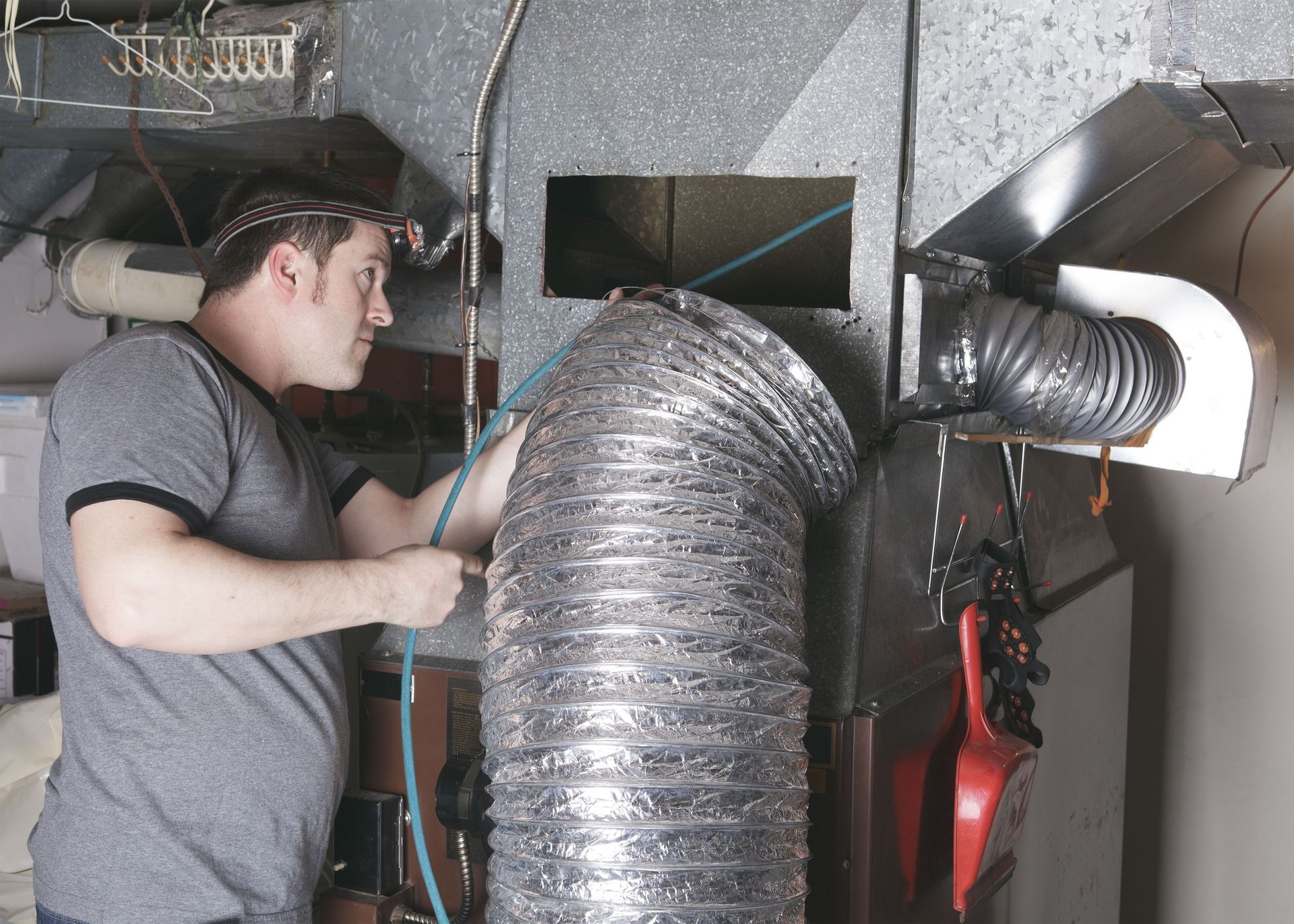
Central heating systems are a prevalent choice in both residential and commercial applications due to their ability to deliver consistent and comprehensive warmth. These systems typically involve a network of ducts and vents that distribute heat evenly across multiple rooms or zones within a building. The choice of fuel—oil, gas, or electricity—plays a significant role in determining the efficiency and cost-effectiveness of these systems. Understanding the layout and insulation of a building is essential, as these factors decide how effectively a central heating system can fulfill the heating demands. Consulting with a professional can help determine which central heating configuration best suits your property.
Moreover, advancements in technology have made modern central heating systems more efficient and quieter than their predecessors. Features like programmable thermostats and zoned heating offer flexibility and improved control over energy consumption. It is essential for homeowners and businesses to regularly maintain their heating systems to ensure longevity and efficiency. Regular check-ups reduce the likelihood of unexpected breakdowns and can improve the overall performance of the system. Preventive maintenance also helps identify worn components before they develop into expensive repairs.
Compare Boilers and Furnaces for Your Needs
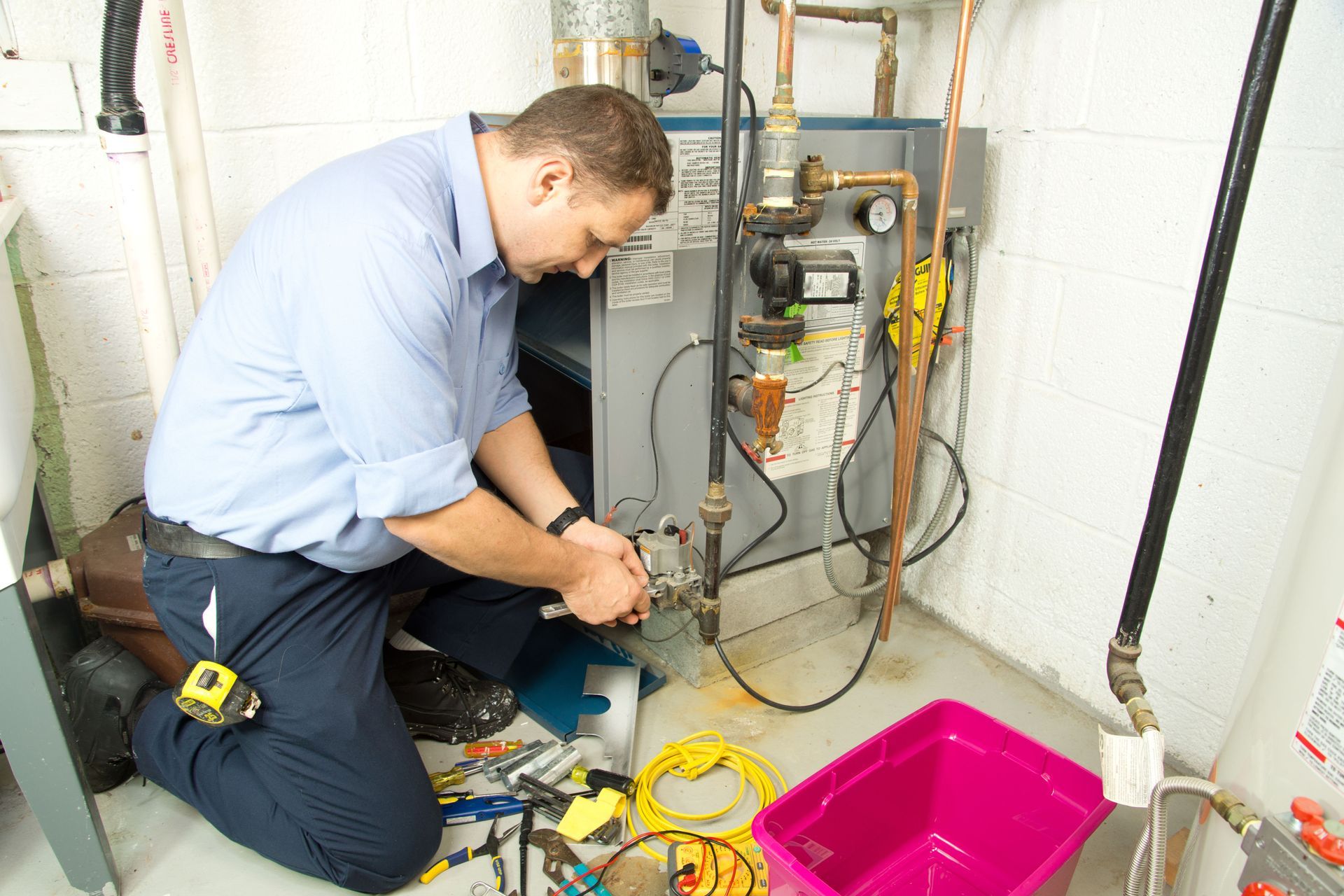
Boilers and furnaces represent two popular yet fundamentally different heating solutions, serving distinct heating purposes. Boilers heat water and provide either hot water or steam for heating. The former is circulated through radiators or underfloor systems, while steam is delivered through pipes to steam radiators. These systems can be powered by natural gas, electricity, or oil, with each fuel type bringing its advantages and considerations. Boilers are traditionally associated with a more even distribution of heat and higher energy efficiency. Understanding how each system operates can make it easier to select the right option for your comfort goals.
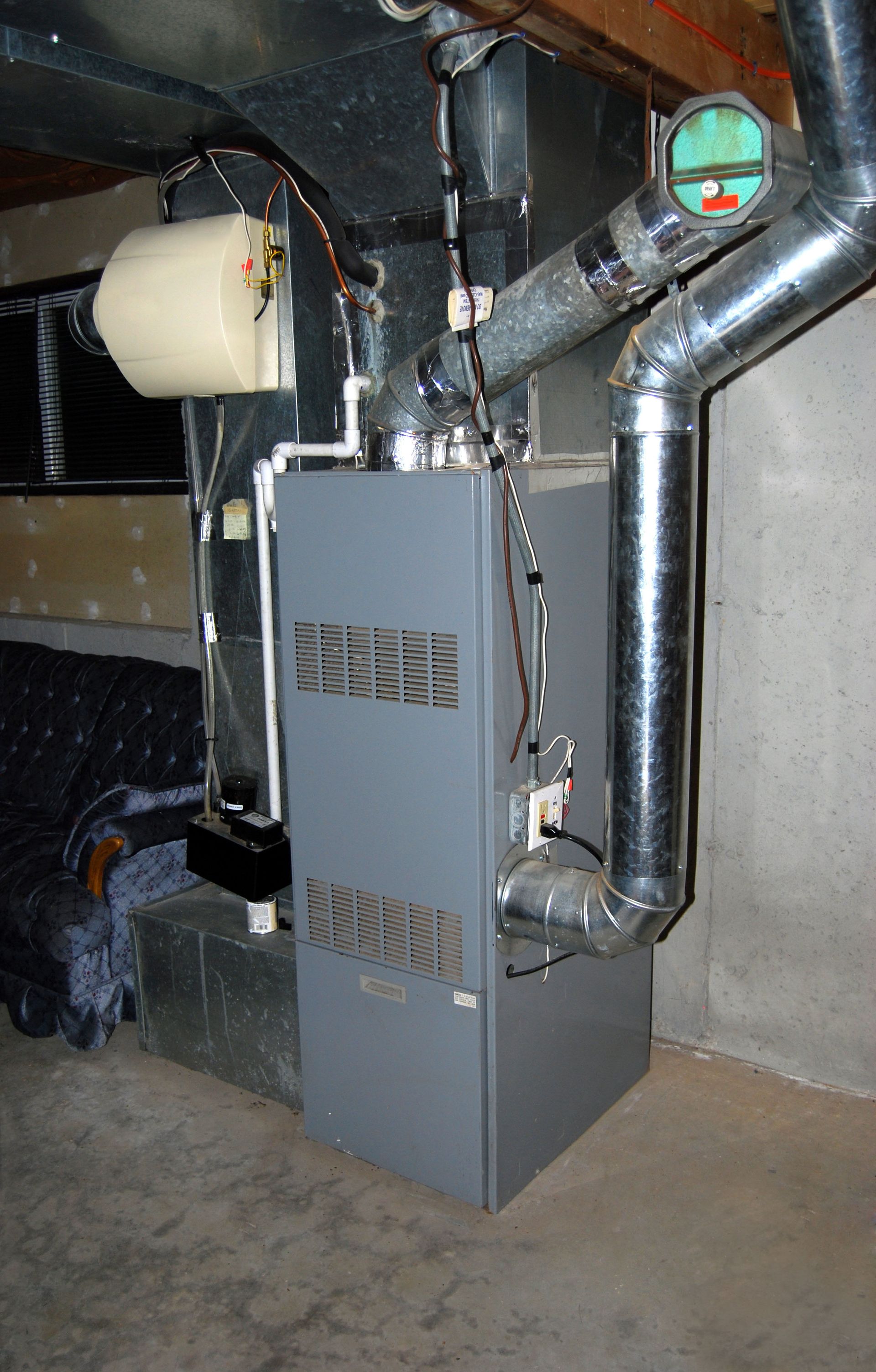
In contrast, furnaces heat air, which is then circulated throughout a building via a system of ducts. Furnaces are typically quicker to respond to temperature changes than boilers, making them ideally suited for environments where immediate heat is desired. They can be fueled by electricity, gas, or oil as well, with gas being the most cost-effective fuel type. Consideration should be given to the noise level and space requirements of furnaces, as these can differ significantly compared to boiler systems. Evaluating installation costs and ongoing maintenance needs is equally important when making a final decision.
Evaluate the Benefits of Heat Pumps
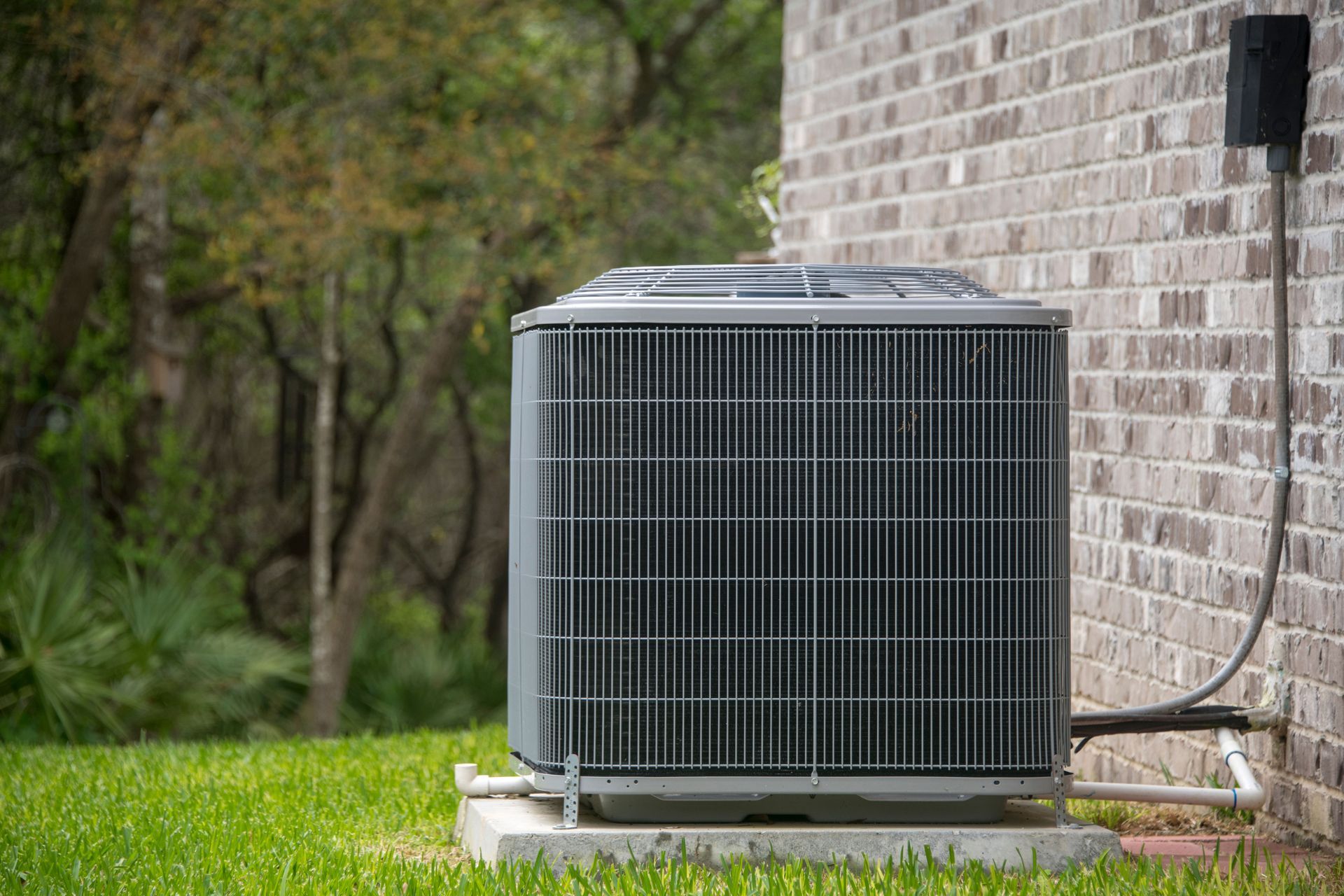
Heat pumps are extraordinary heating systems known for their flexibility and efficiency, especially in moderate climates. Unlike traditional heating systems that generate heat, heat pumps transfer heat from one place to another, which can lead to considerable energy savings. They are capable of providing both heating in the winter and cooling in the summer, offering an all-in-one solution that maximizes comfort year-round. The efficiency of heat pumps significantly depends on the climate and the specific model; hence, these factors should be duly considered before installation. Proper sizing and installation are essential for achieving optimal performance from a heat pump system.
One of the main attractions of heat pumps is their ability to reduce greenhouse gas emissions and lower operational costs compared to conventional electric heating systems. While initial installation costs can be higher, the return on investment in terms of energy savings and environmental benefits can be substantial over time. Heat pumps are available in various forms, such as air source, ground source (geothermal), and ductless mini-split systems. Each variant has its own strengths, making it essential to discern which type is best suited for the local climate and building infrastructure. Working with an experienced heating contractor can help ensure you choose the most efficient model for your needs.
Explore Electric Heating Options
Electric heating presents an array of options, from basic space heaters to advanced solutions like underfloor heating systems. Space heaters provide targeted warmth, ideal for smaller spaces or supplementing additional heat in larger areas. Although they are typically less efficient than centralized systems, their portability and lower initial costs make them attractive for temporary or supplementary use. It's worth noting the safety considerations associated with electric space heaters, emphasizing the need for careful operation and maintenance. Selecting Energy Star-rated equipment can further improve efficiency and reduce electricity consumption.
Underfloor heating systems stand as a luxurious alternative that benefits from modern advances in electric heating technology. This system involves the installation of electrically heated cables or mats beneath the flooring, radiating warmth upwards to create a comfortable living environment. While the installation of underfloor heating can be costly and sometimes complex, the comfort and efficiency offered can outweigh these initial investments. Such low-profile systems contribute to the aesthetic appeal of a space by eliminating visible radiators or air vents.
Consider Renewable Energy Heating Solutions
Renewable energy heating solutions leverage natural sources to deliver sustainable heating, reducing reliance on fossil fuels. Solar heating systems capture solar energy to provide warmth, particularly effective in areas with abundant sunlight. Geothermal heating harnesses the stable temperatures deep within the earth to provide efficient year-round heating and cooling. Wind-powered systems can also augment other forms of renewable energy solutions, offering substantial reductions in carbon footprint.
Each renewable system comes with unique installation requirements, initial costs, and long-term savings, necessitating a thorough evaluation before investment. Geographic location is a significant factor in deciding the suitability of a renewable heating solution; for instance, solar may be more viable in sun-drenched regions, whereas geothermal can offer consistent performance in varied climates. The innovative use of technologies such as compact diesel heaters in vehicles or small confined spaces further highlights the versatility of modern heating applications. According to Vevor, compact diesel heaters weighing about 2.5 to 3.5 kilograms are suitable for installation in vehicles, small boats, and other constrained spaces where maximizing available room is a priority.
Review Customer Feedback and References
Customer testimonials and references provide insight into a company's track record and customer satisfaction levels. Positive reviews can signal reliability, professionalism, and expertise, which are essential attributes for any reputable heating service provider. Prospective customers should consider both negative and positive feedback, as this comprehensive view can highlight consistent strengths or potential weaknesses. Exploring reviews on multiple platforms ensures an unbiased perspective and aids consumers in making informed decisions.
Beyond online reviews, asking a heating service provider for references from recent customers can offer additional confidence in your decision. Speaking directly with past clients allows you to learn about their overall experience, including the quality of the installation or repair, communication throughout the project, and whether the work was completed on time and within budget. Combining firsthand recommendations with online testimonials provides a well-rounded understanding of a company's reputation and commitment to customer service.
Through careful assessment of various heating services, from technologies to provider selections, making the best choice is crucial. This detailed exploration underscores the necessity for consumers to weigh options thoughtfully, aligning them with personal preferences and lifestyle needs. Heating service decisions have lasting implications for comfort, energy efficiency, and environmental responsibility, reinforcing the importance of informed choices. In closing, engaging proactively with skilled service providers can empower consumers to harness these benefits while ensuring satisfaction and reliability. Reach out to R. Smith Oil Heating & Cooling, LLC to learn more about our services today.
Share On: